Why painting over bathroom mold is a temporary fix
Bathroom mold is a persistent problem. It thrives in the damp, warm environment that showers and baths create. When you spot that dark growth in the grout lines or on the ceiling, the instinct is often to cover it up. A quick coat of paint seems like an easy solution, but it rarely solves the underlying issue. Painting over mold is a temporary cosmetic fix that can actually make the problem worse over time.
Mold is a living organism. It has roots, called hyphae, that penetrate into porous surfaces like grout, drywall, and wood. Simply painting over the visible surface does not kill those roots. The mold remains alive beneath the paint layer. It continues to grow, feeding on the moisture that is still present. Eventually, the paint will bubble, crack, or stain as the mold pushes through from underneath. The result is a mess that is often harder to treat than the original outbreak. Mold Removal Boston Pros Bathroom Mold Remediation
What happens when you paint over mold
Standard latex or acrylic paint does not contain fungicides that kill mold. It provides a food source for the mold instead. Many paints contain organic compounds that mold can digest. By painting over active mold, you are essentially sealing a food source directly over the colony. The mold will grow through the paint film, and the problem will return, often more aggressively.
Even so-called "mold-resistant" paints are not a cure. They contain additives that slow mold growth on the paint surface, but they do not kill mold that is already present beneath the coating. If you apply mold-resistant paint over an active infestation, the mold will still grow underneath and eventually break through. The only way to use these paints effectively is to first remove the mold entirely and then apply them as a preventive measure on a clean, dry surface.
The deeper problem: moisture and ventilation
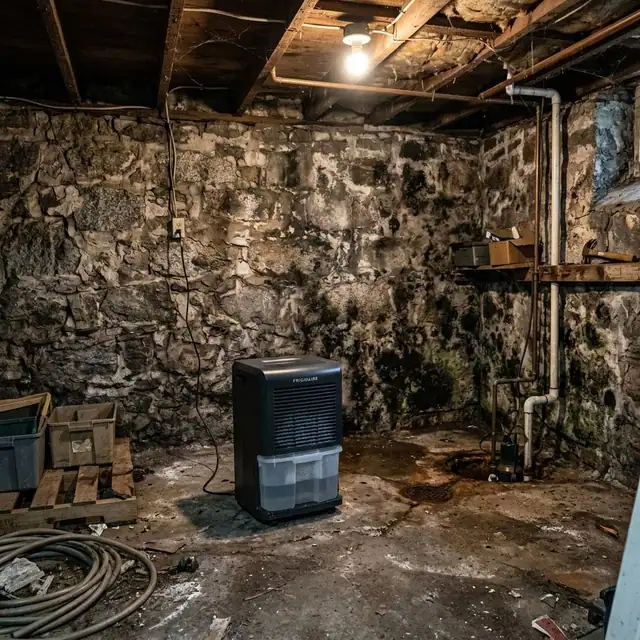
The reason mold keeps coming back in bathrooms is almost always related to moisture. Grout lines that stay wet for hours after a shower, poor ventilation that traps humid air, and small leaks around fixtures all create ideal conditions for mold. Painting over the stain does nothing to address these root causes. The mold will return in the same spot because the conditions that allowed it to grow have not changed.
To truly solve a bathroom mold problem, you have to control the moisture. This means fixing leaks, improving ventilation, and reducing humidity. An exhaust fan that vents to the outside is one of the most effective tools. Opening a window after a shower also helps. Wiping down wet surfaces after use removes the water that mold needs to survive. These steps are far more important than any paint job.
When painting might work
There is one scenario where painting can be part of a solution. If you have thoroughly cleaned the mold from the surface using a proper mold-killing product, allowed the area to dry completely, and then applied a mold-resistant primer and paint, the paint can help prevent future growth. But the key steps are cleaning and drying first. The paint is only a protective layer, not a treatment.
Even then, painting over grout is often not the best approach. Grout is porous, and mold can penetrate deep into it. Cleaning the surface may remove the visible growth, but the roots can remain inside the grout. Over time, the mold will re-emerge. For grout that is heavily infested, replacement is often the only lasting solution. Regrouting a bathroom is a more involved job, but it removes the contaminated material entirely.
What proper grout mold remediation looks like
Effective grout mold remediation starts with identifying the extent of the growth. You need to decide whether the grout can be cleaned or must be removed. For light surface mold, a bleach solution or a commercial mold cleaner can work if you scrub thoroughly. But scrubbing alone may not reach the deep roots. Many professionals use a combination of chemical treatment and mechanical cleaning, such as with a stiff brush or a steam cleaner.
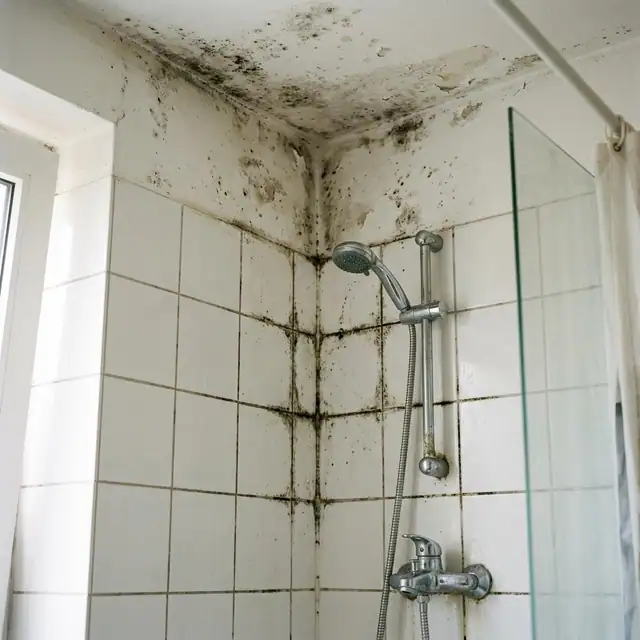
If the mold has penetrated deep into the grout, or if the grout is old and cracked, the best option is to remove the affected grout and replace it with fresh grout. This process involves using a grout saw or an oscillating tool to cut out the old material. The area is then cleaned and dried before new grout is applied. This is a messy and time-consuming job, but it removes the mold completely. After new grout is installed, sealing it with a quality grout sealer can help prevent future moisture absorption and mold growth.
For larger areas of mold, especially those that have spread beyond the grout onto drywall or other surfaces, professional help is often needed. A service like Mold Removal Boston Pros Bathroom Mold Remediation can assess the full scope of the problem. They address not just the visible growth but also the hidden moisture sources, damaged materials, and ventilation issues that allow mold to thrive. This comprehensive approach is what makes the difference between a temporary fix and a lasting solution.
Why painting fails in the long run
Painting over mold is a shortcut that often leads to more work later. The mold continues to grow, and when it finally breaks through the paint, you are left with a larger stain and a surface that is harder to clean. The paint itself may peel or blister, creating an eyesore. You then have to strip the paint, treat the mold, and repaint. The total time and effort end up being greater than if you had addressed the mold properly from the start.
Another issue is health. Mold can cause respiratory problems, allergies, and other health issues. Painting over it does not stop the mold from releasing spores into the air. The spores can still circulate through the bathroom and into the rest of the home. Proper remediation involves removing the mold and addressing the moisture problem, not just hiding the visual evidence.
Practical steps for dealing with bathroom mold
- Identify the source of moisture. Look for leaks, condensation, or poor ventilation. Fix the source before treating the mold.
- Clean the visible mold using a product specifically designed for mold removal. Bleach works on non-porous surfaces but may not penetrate porous grout. A dedicated mold cleaner is often more effective.
- Dry the area thoroughly. Use a fan or dehumidifier to speed the process. Mold will not grow on a dry surface.
- If cleaning does not remove all traces of mold, replace the affected grout. This is the surest way to eliminate deep growth.
- Prevent future growth by improving ventilation, using a squeegee on wet surfaces, and applying a grout sealer after cleaning.
For persistent or widespread mold problems, professional remediation is worth considering. A company that specializes in bathroom mold, such as Mold Removal Boston Pros Bathroom Mold Remediation, can provide a thorough assessment and treatment plan. They have the tools and experience to identify hidden moisture issues and to remove mold from difficult areas like behind tiles or under fixtures. Their approach goes beyond surface cleaning to address the conditions that allow mold to flourish.
The bottom line
Painting over bathroom mold is a temporary cosmetic solution that does not solve the problem. The mold remains alive and will eventually reappear. Proper remediation requires removing the mold, fixing the moisture source, and improving ventilation. For grout that is deeply affected, replacement is often the only reliable option. Taking these steps may require more effort upfront, but it saves time and money in the long run and creates a healthier bathroom environment.